Understanding The Difference
Choosing between porcelain and ceramic tiles is a common decision when planning a bathroom. While both options offer durability and style, there are important differences that can influence how they perform and where they’re best used. Understanding these differences helps ensure you choose tiles that suit your space, lifestyle and long-term expectations.
Whether you’re updating a bathroom, cloakroom or shower area, this guide to porcelain vs ceramic tiles will help you make a confident, informed choice.
What Are Porcelain Tiles?
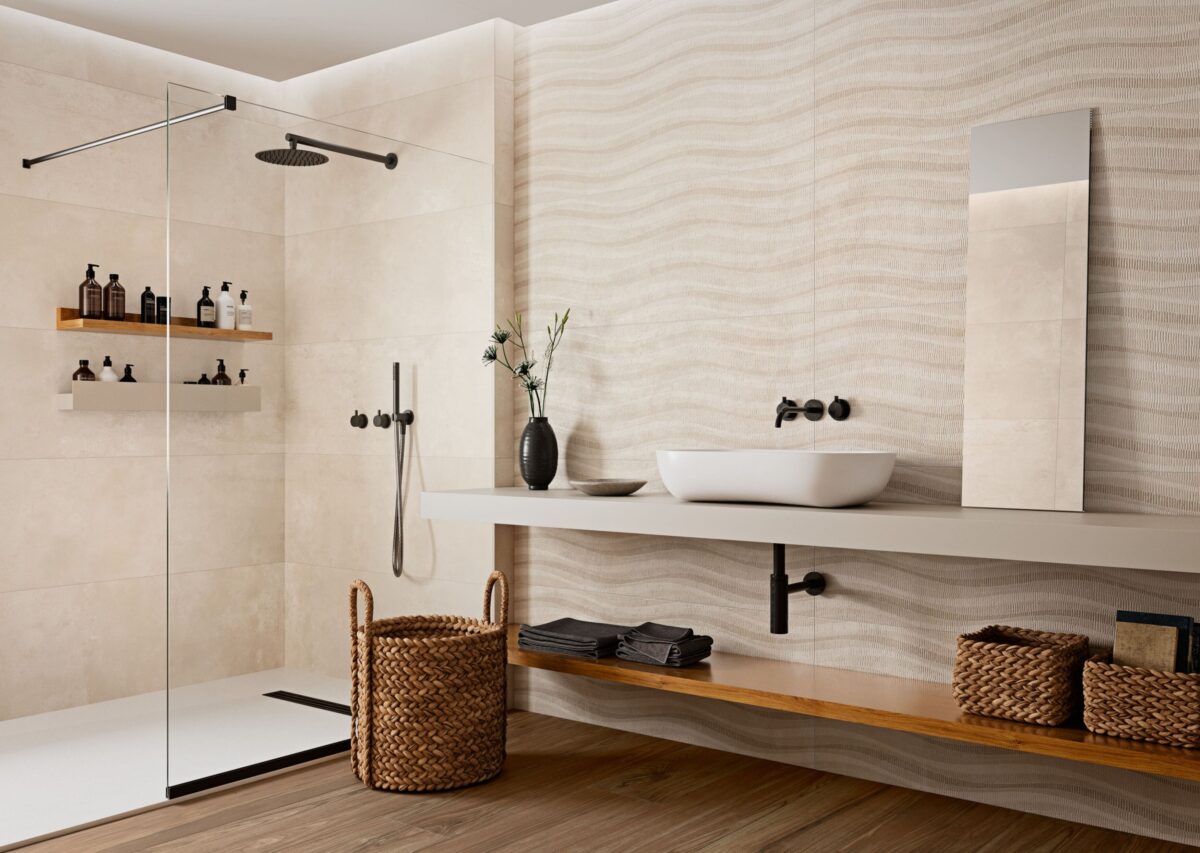
Porcelain tiles are made from refined clay and fired at higher temperatures, resulting in a dense, hard-wearing material. This manufacturing process makes porcelain tiles highly durable, water-resistant and suitable for both walls and floors.
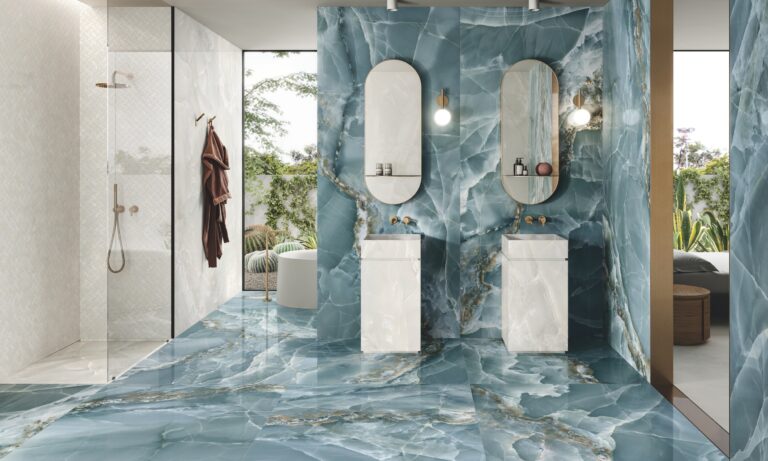
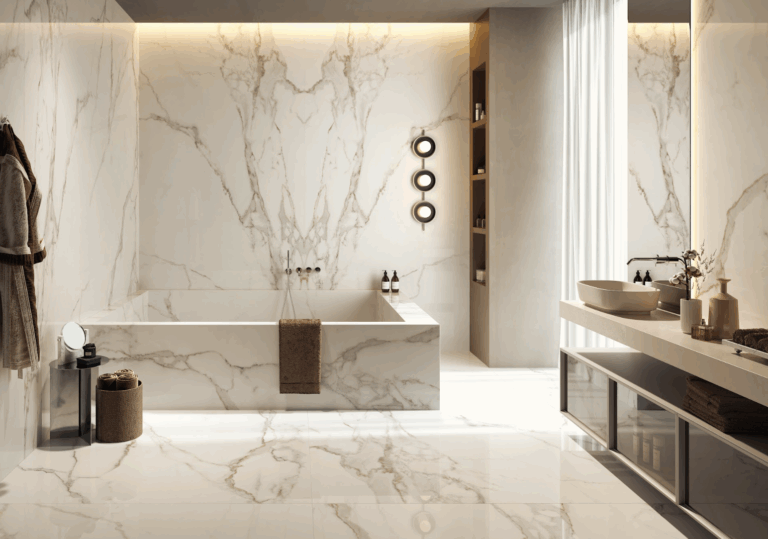
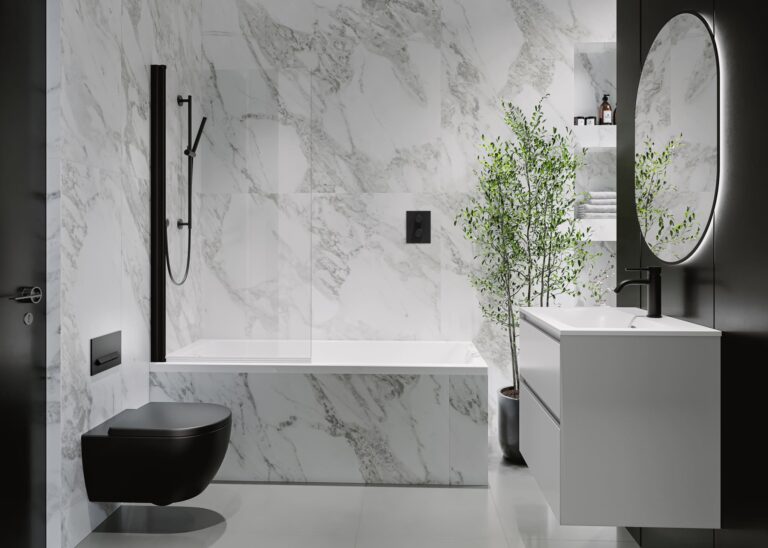
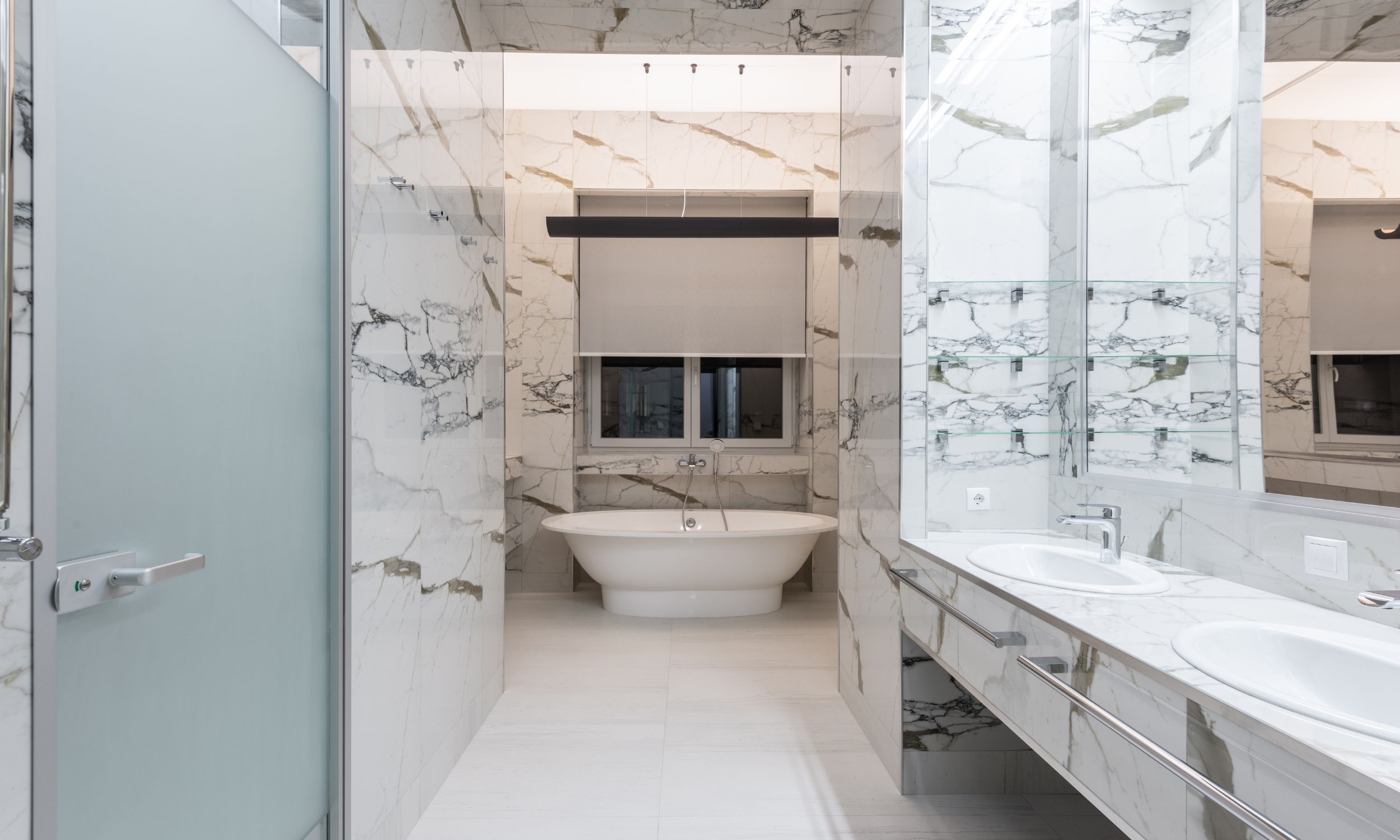
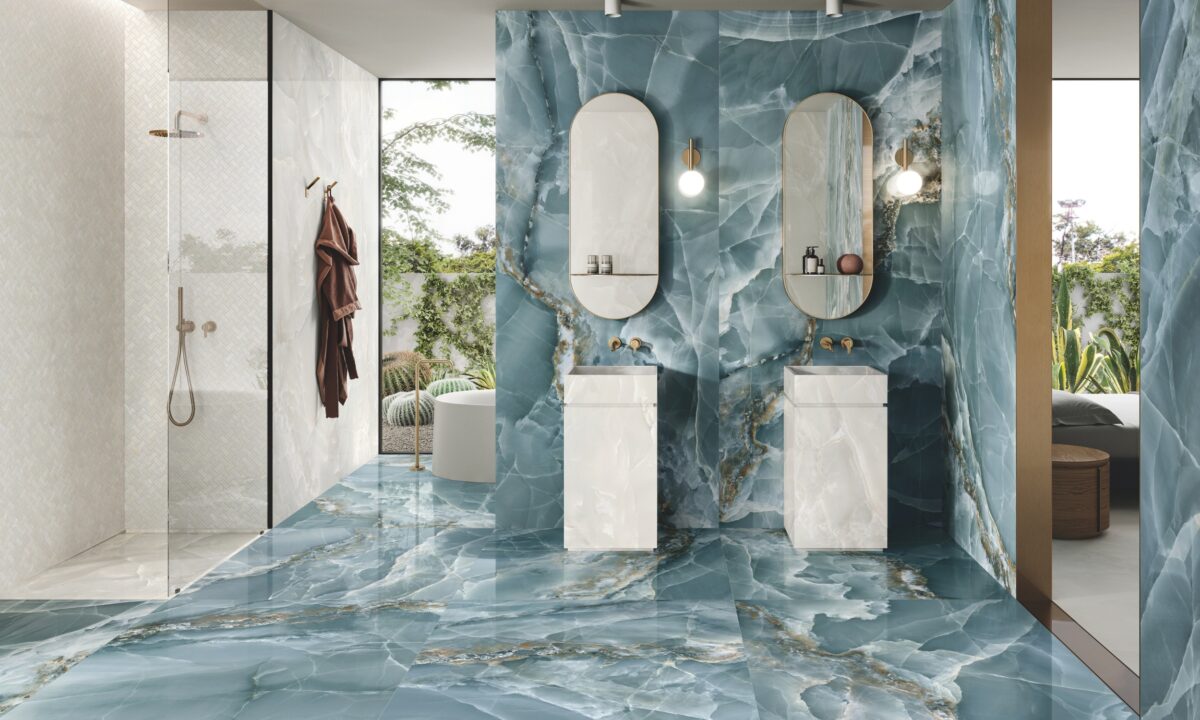
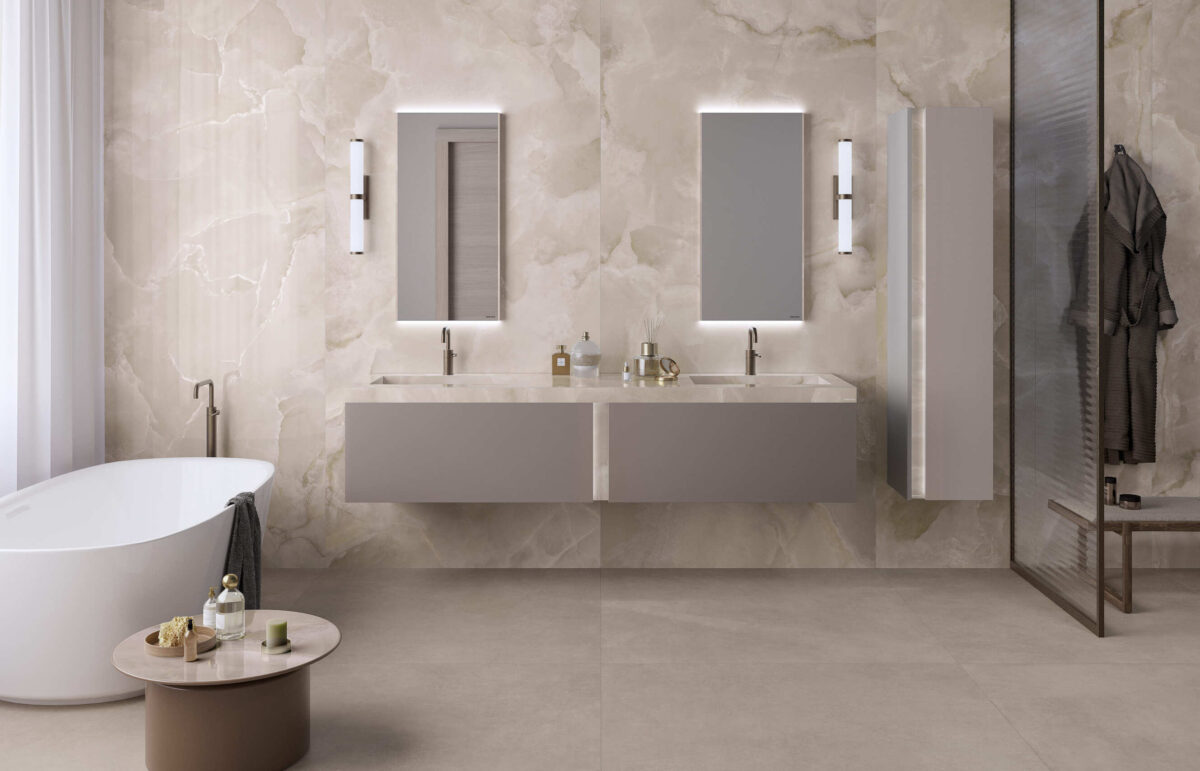
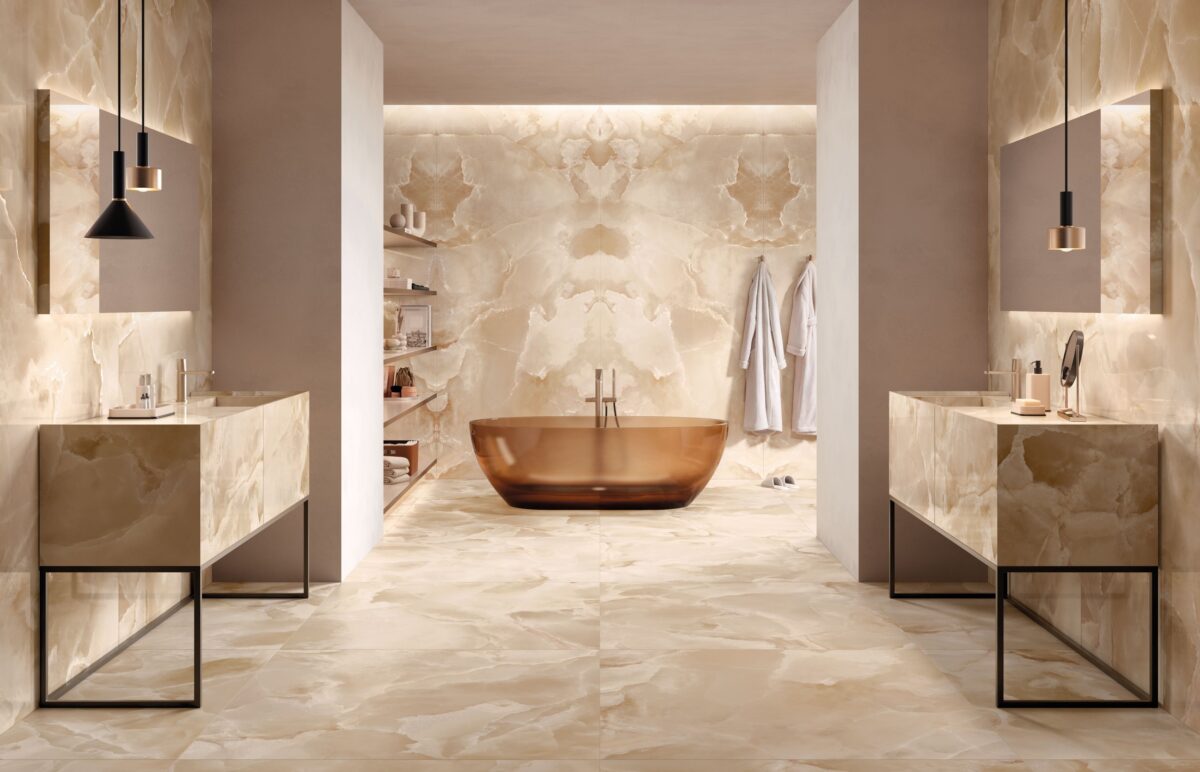
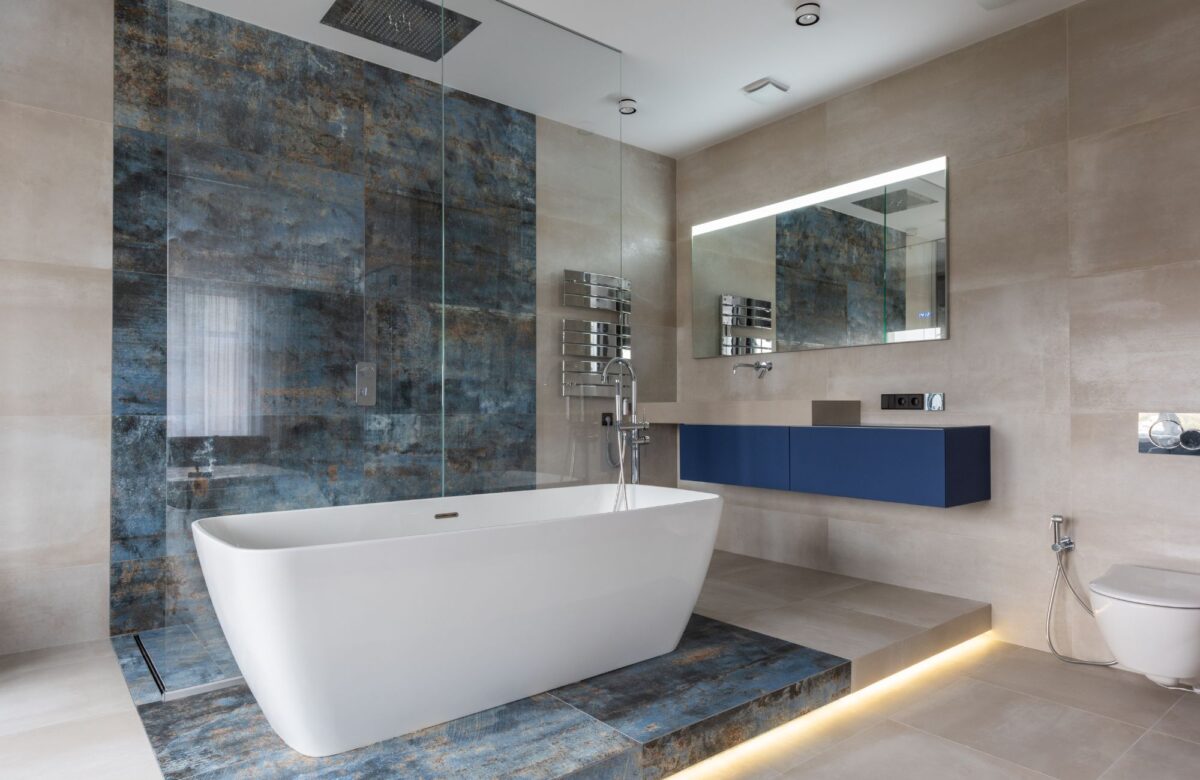
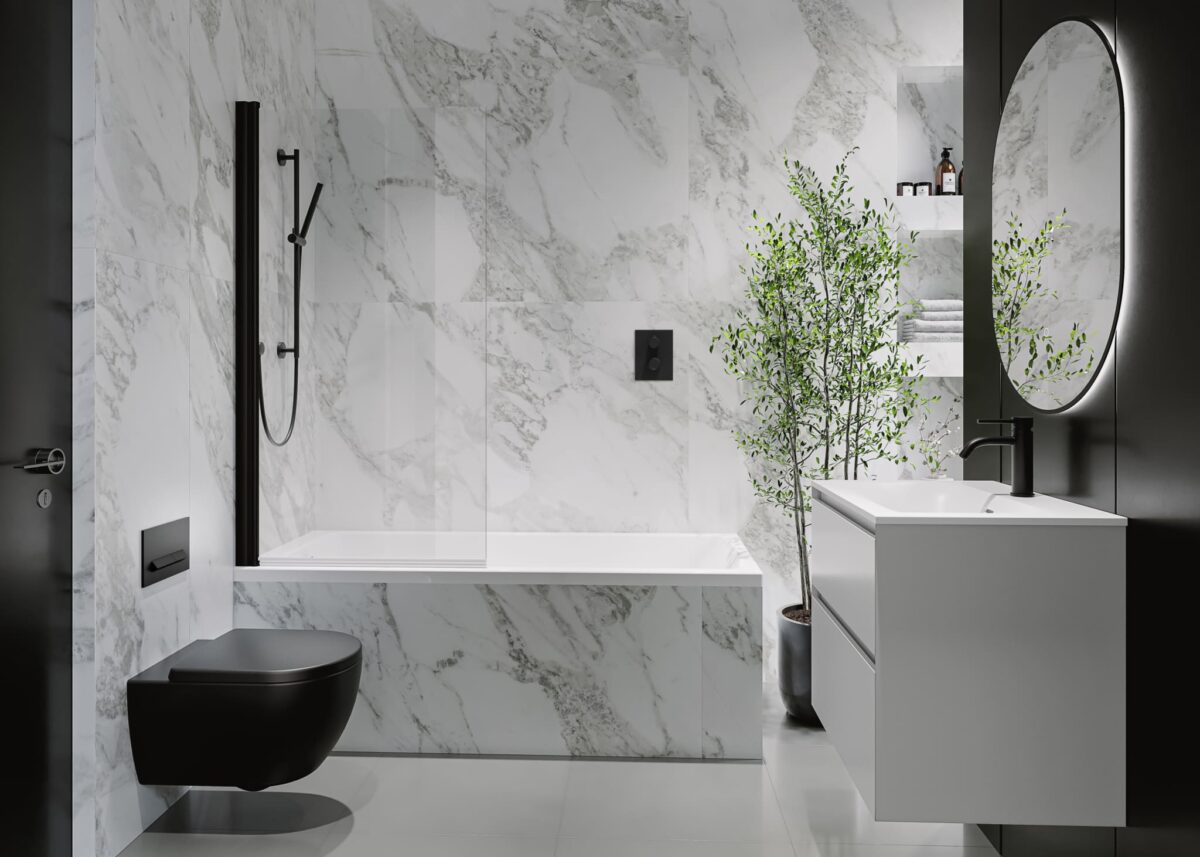
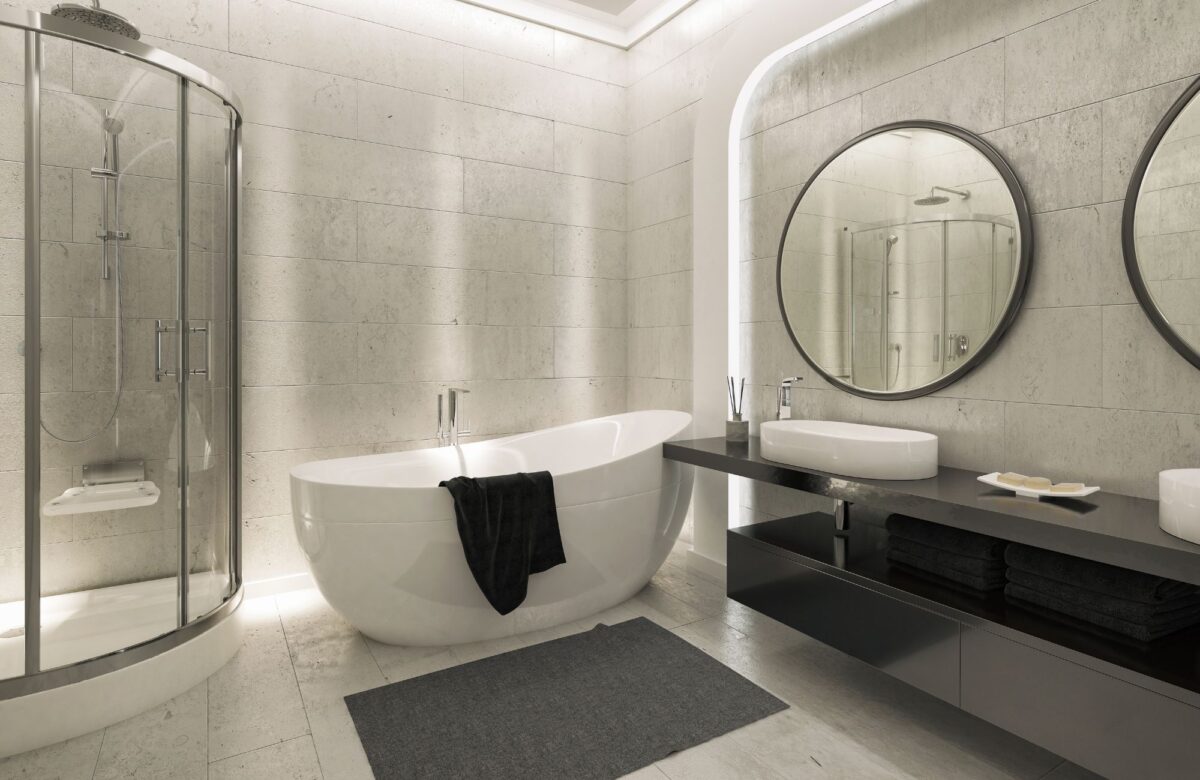
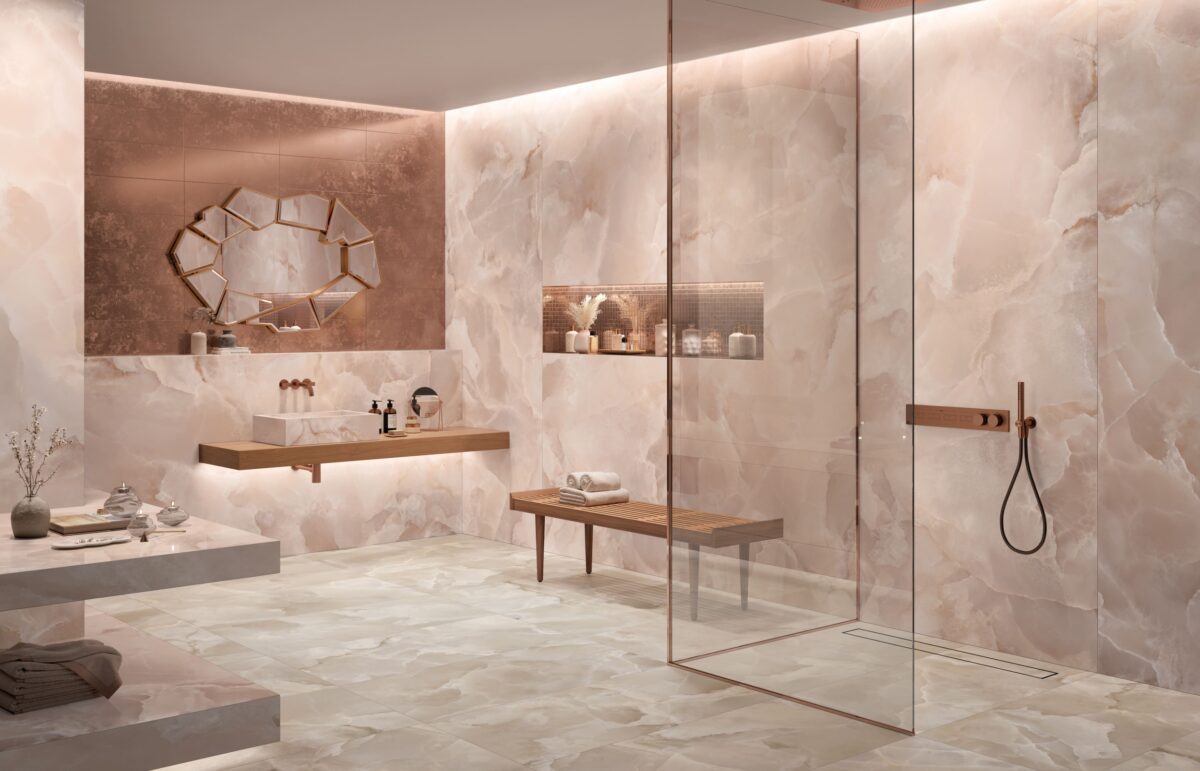
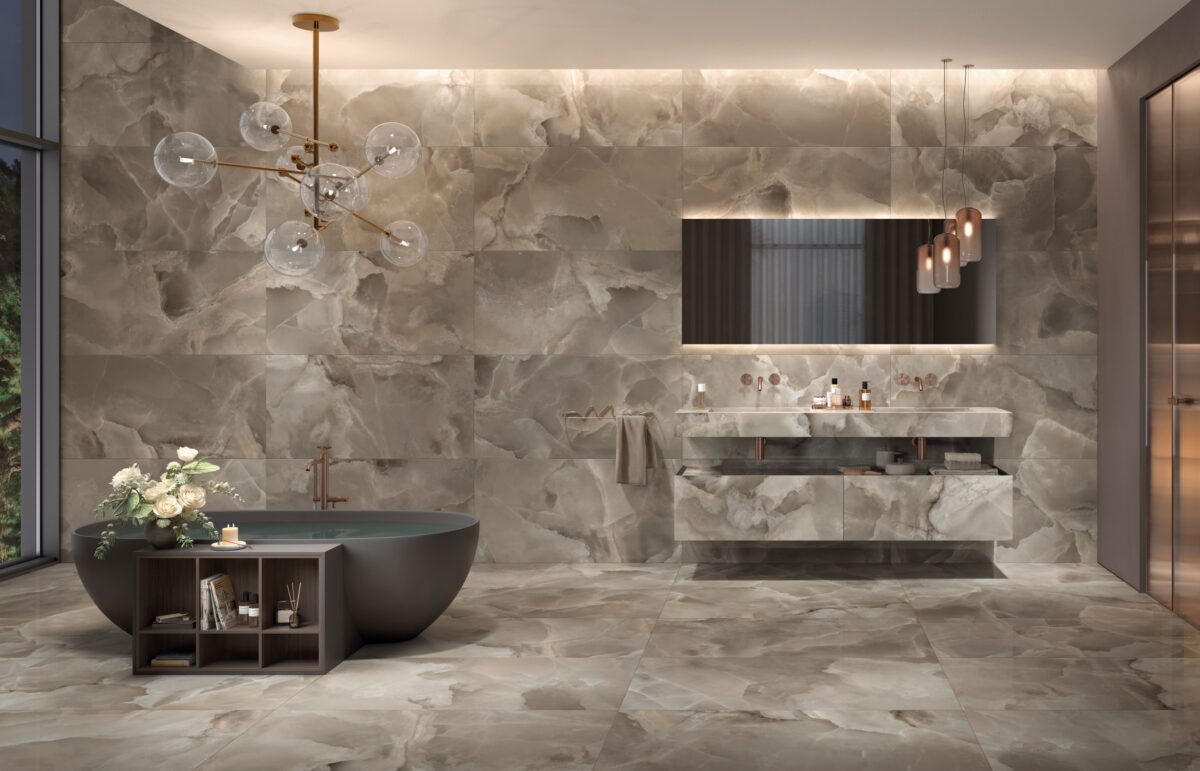
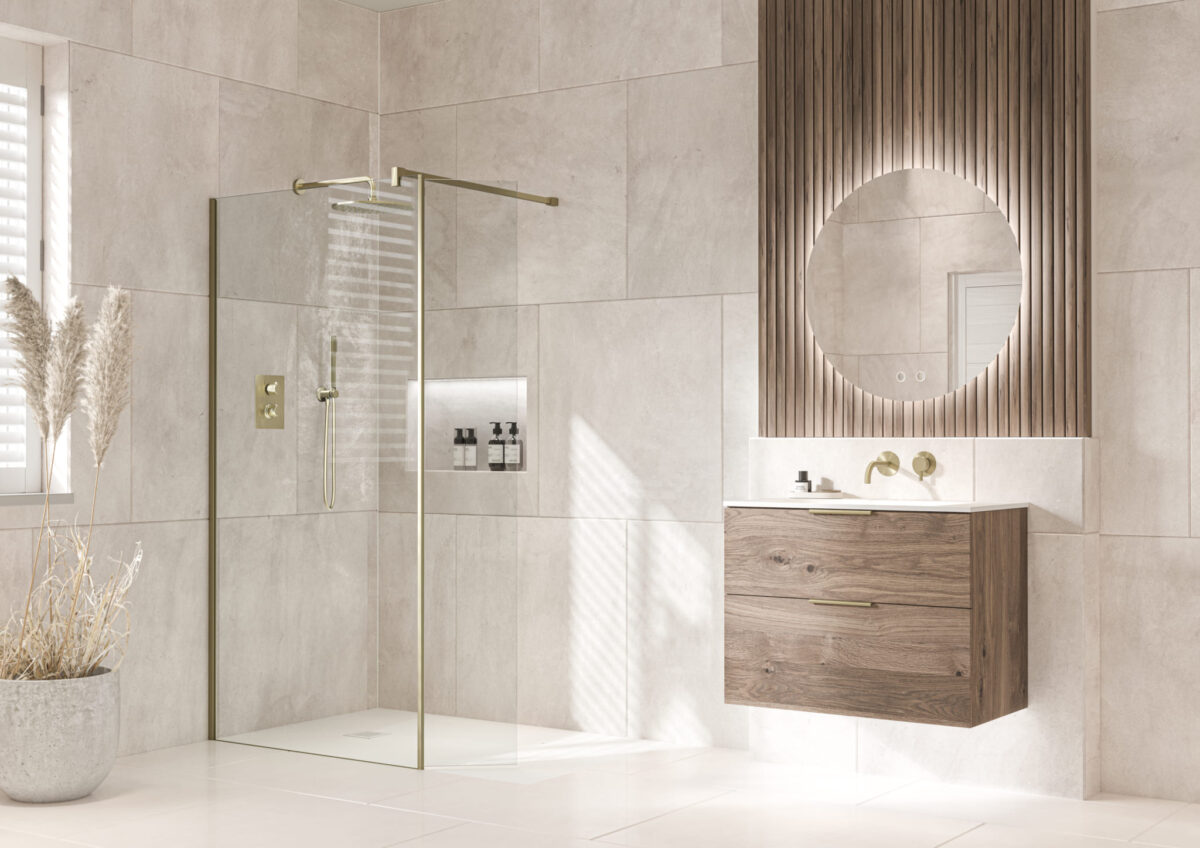
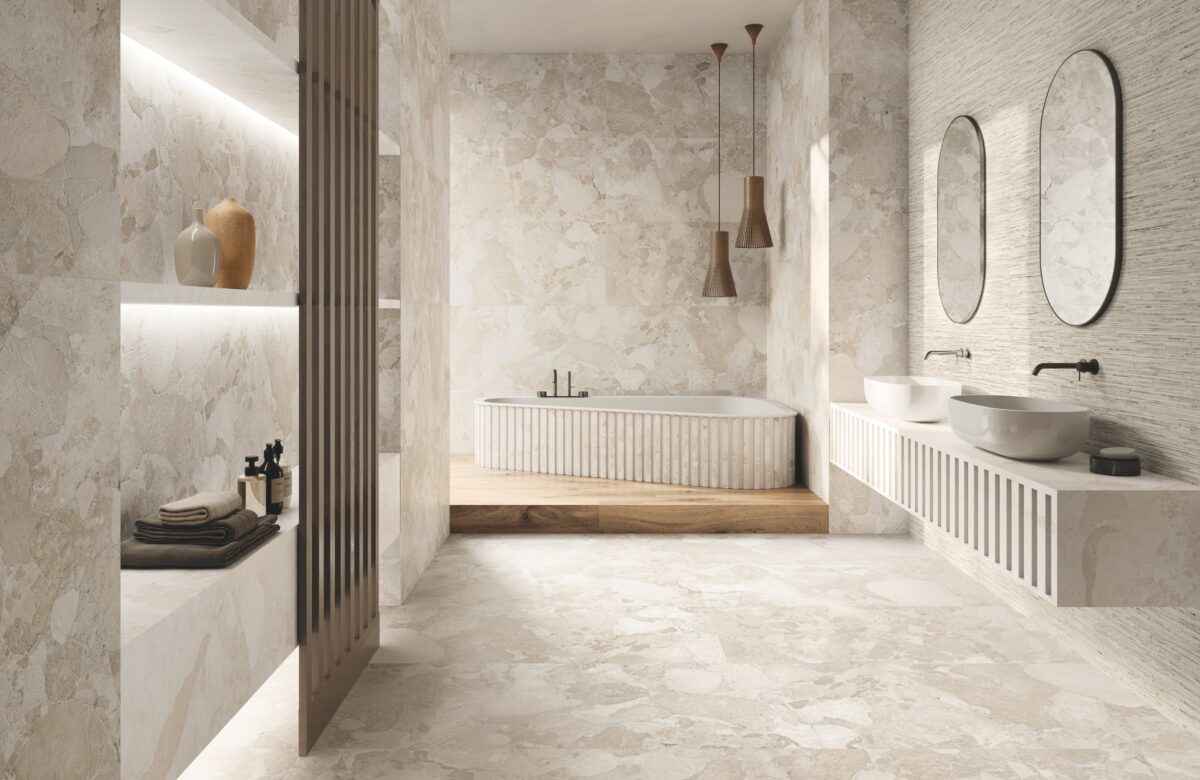
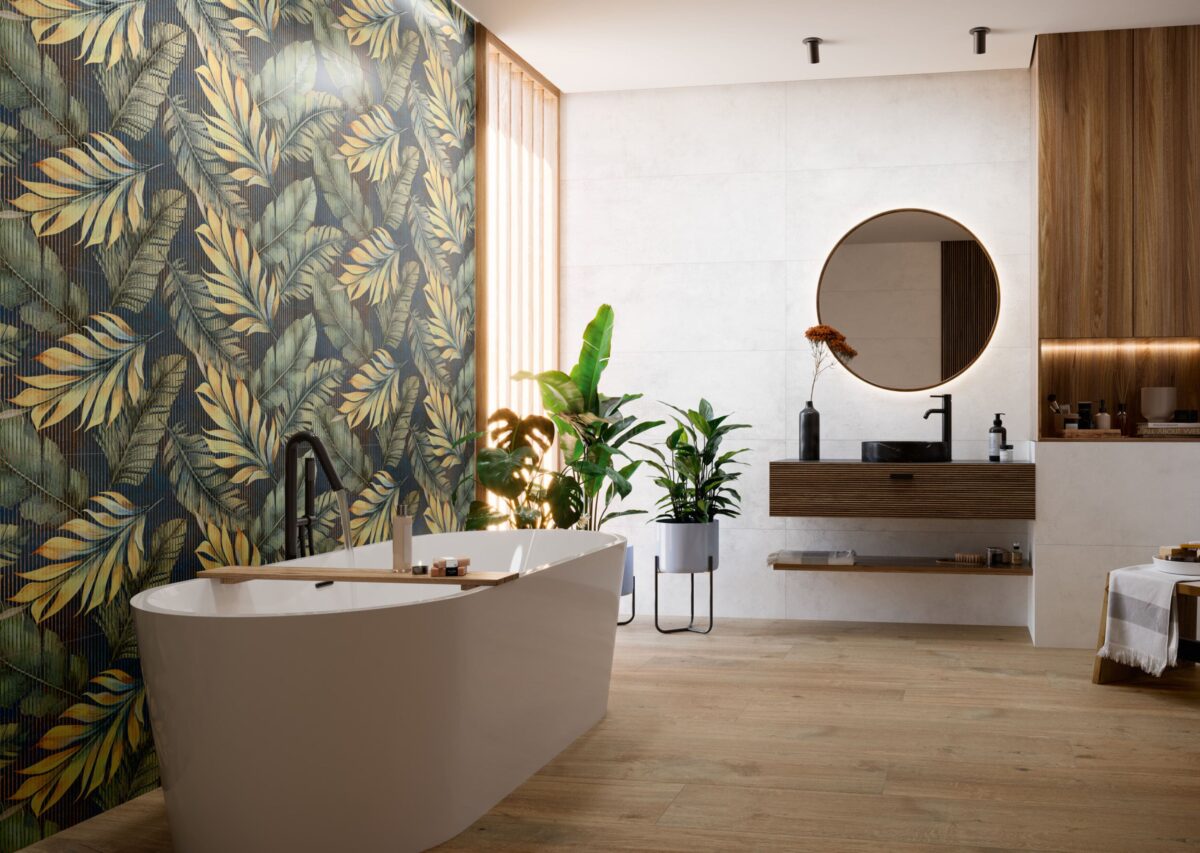
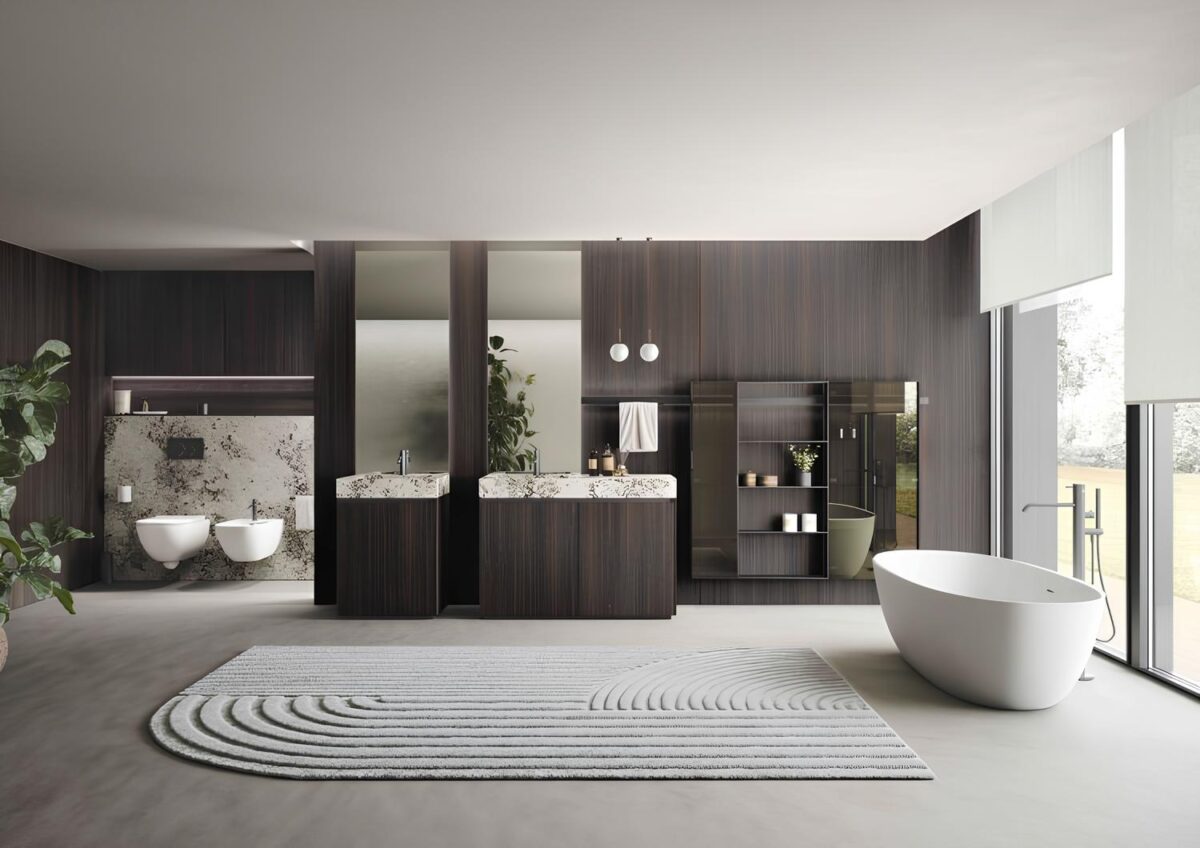
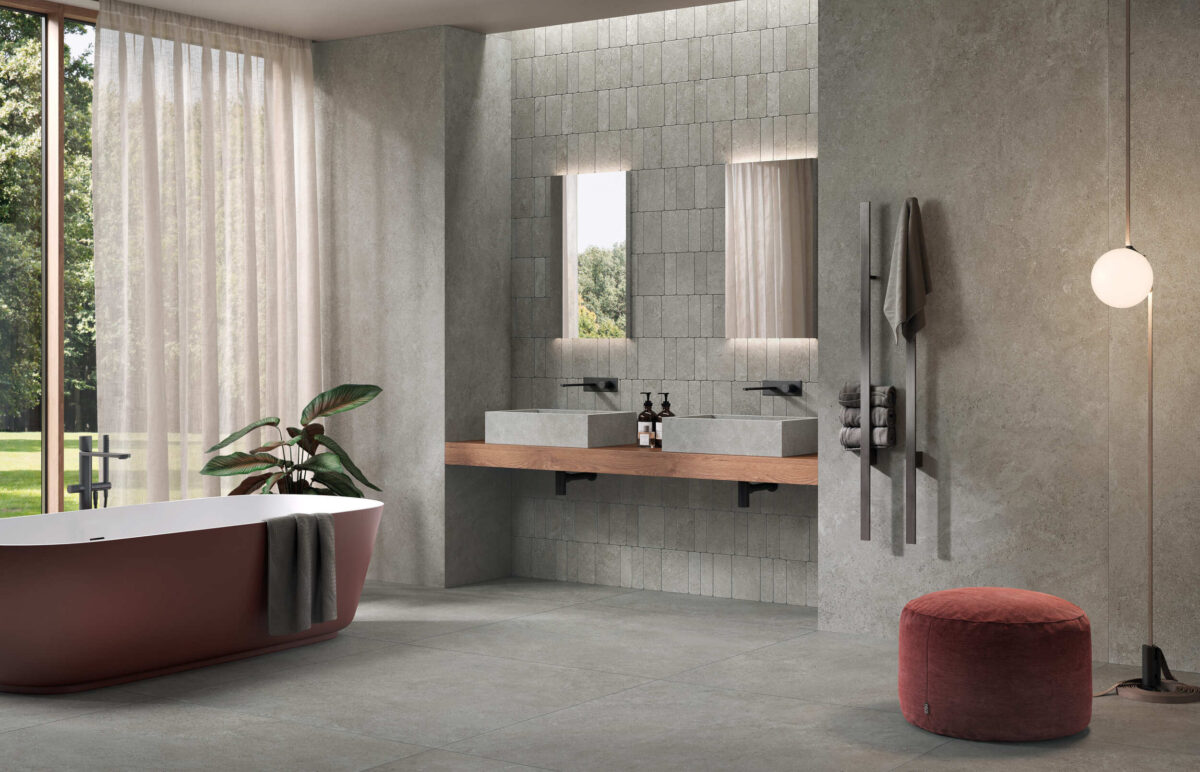
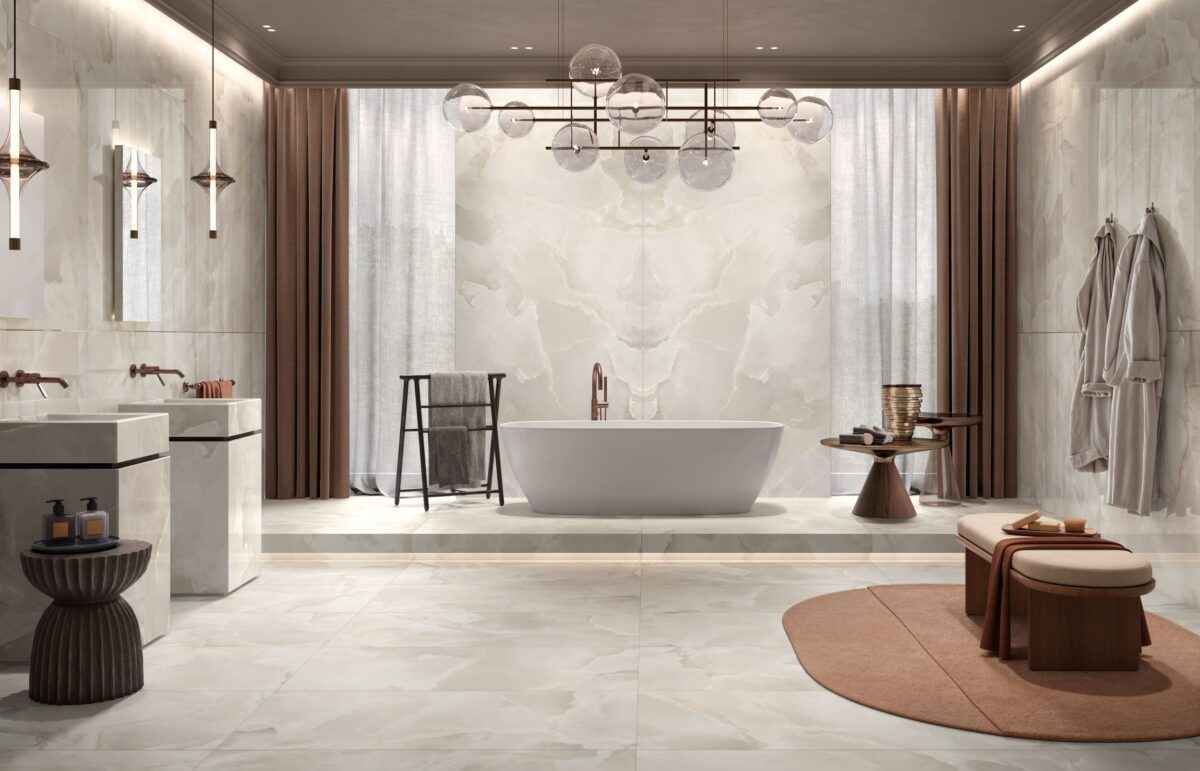
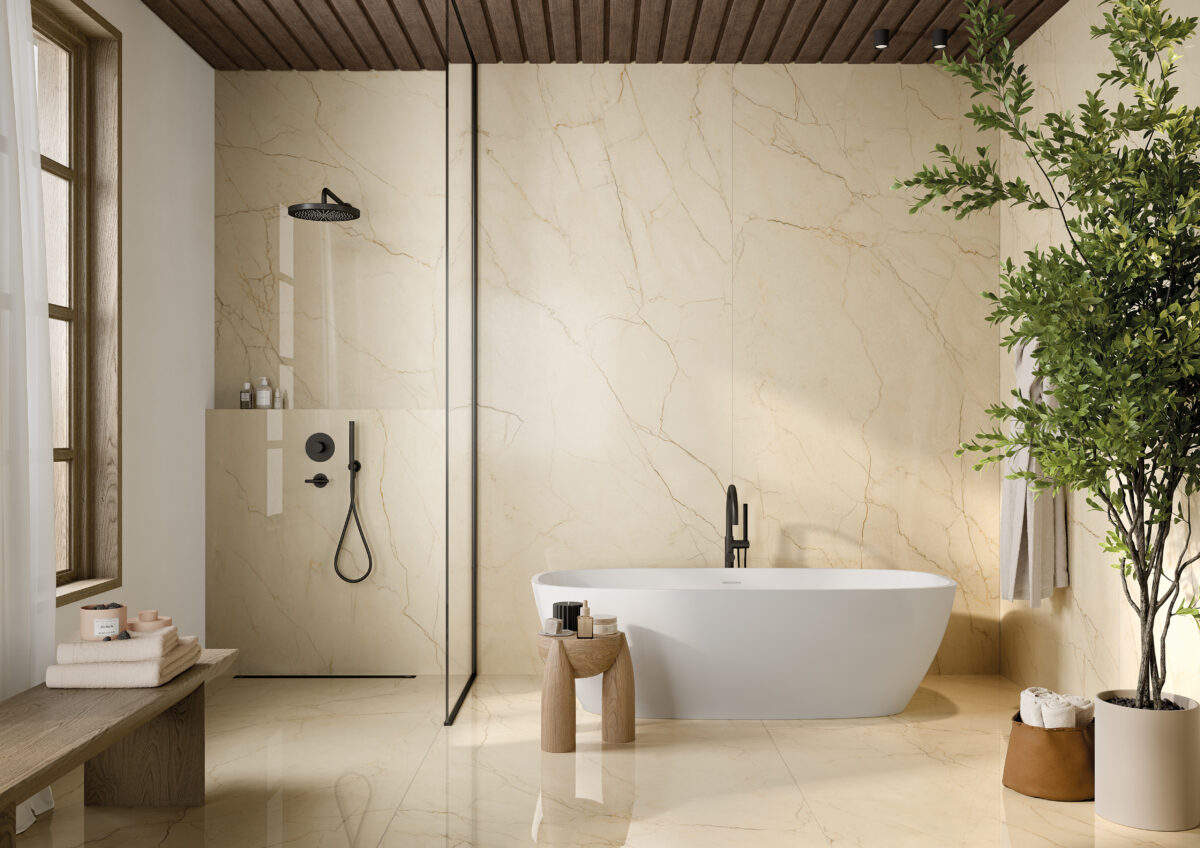
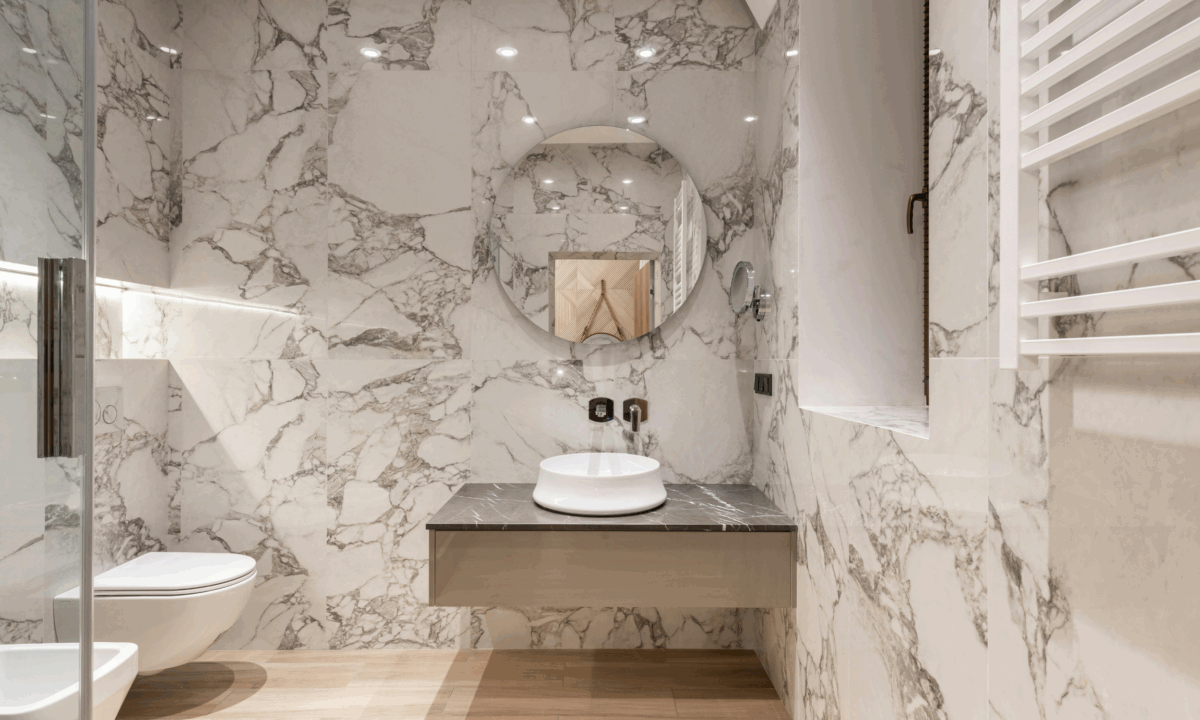
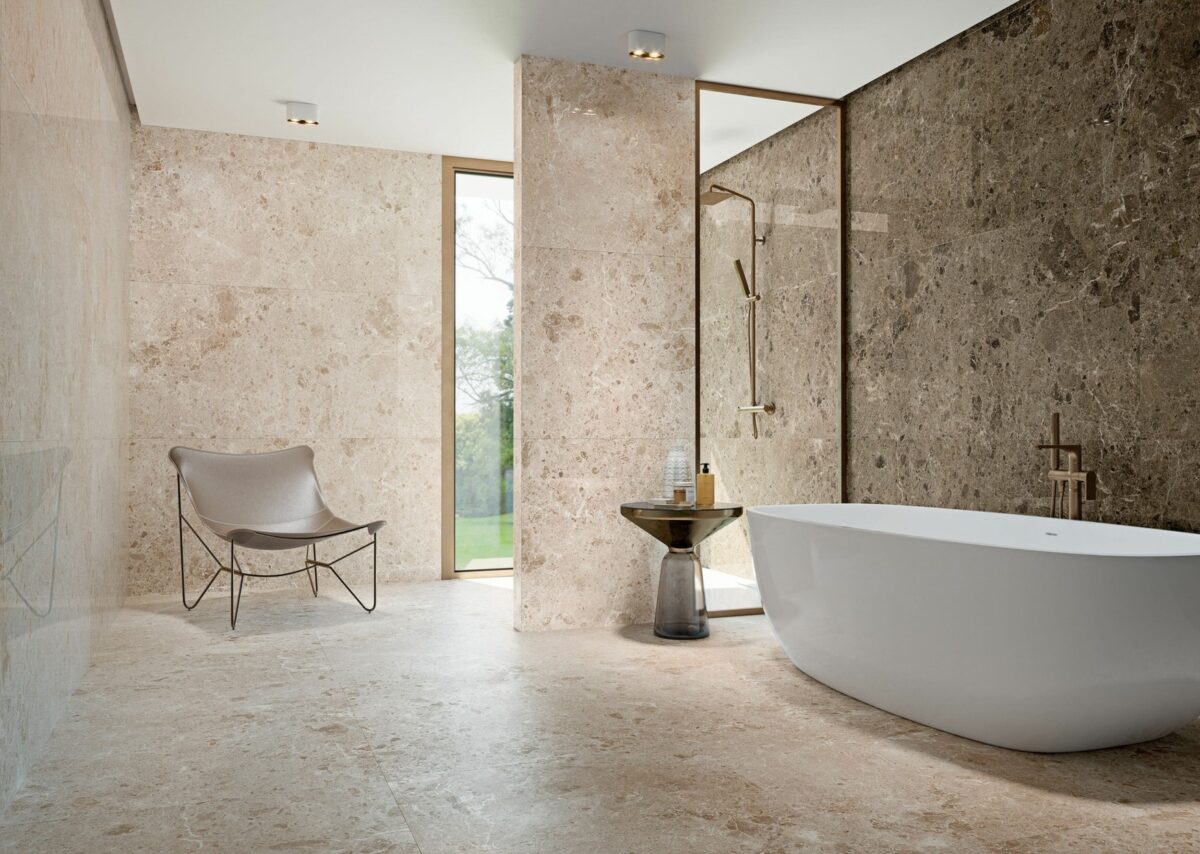
Thanks to their strength and low porosity, porcelain tiles are ideal for bathrooms, wet rooms and high-traffic areas. They are available in a wide range of finishes, including stone-effect, marble-effect and concrete-effect designs, offering the look of natural materials with added practicality.
Porcelain tiles are also easy to maintain, making them a popular choice for homeowners looking for a long-lasting, low-maintenance solution.
What Are Ceramic Tiles?
Ceramic tiles are made from clay and fired at lower temperatures than porcelain tiles. They are generally lighter and slightly less dense, which makes them easier to cut and install.
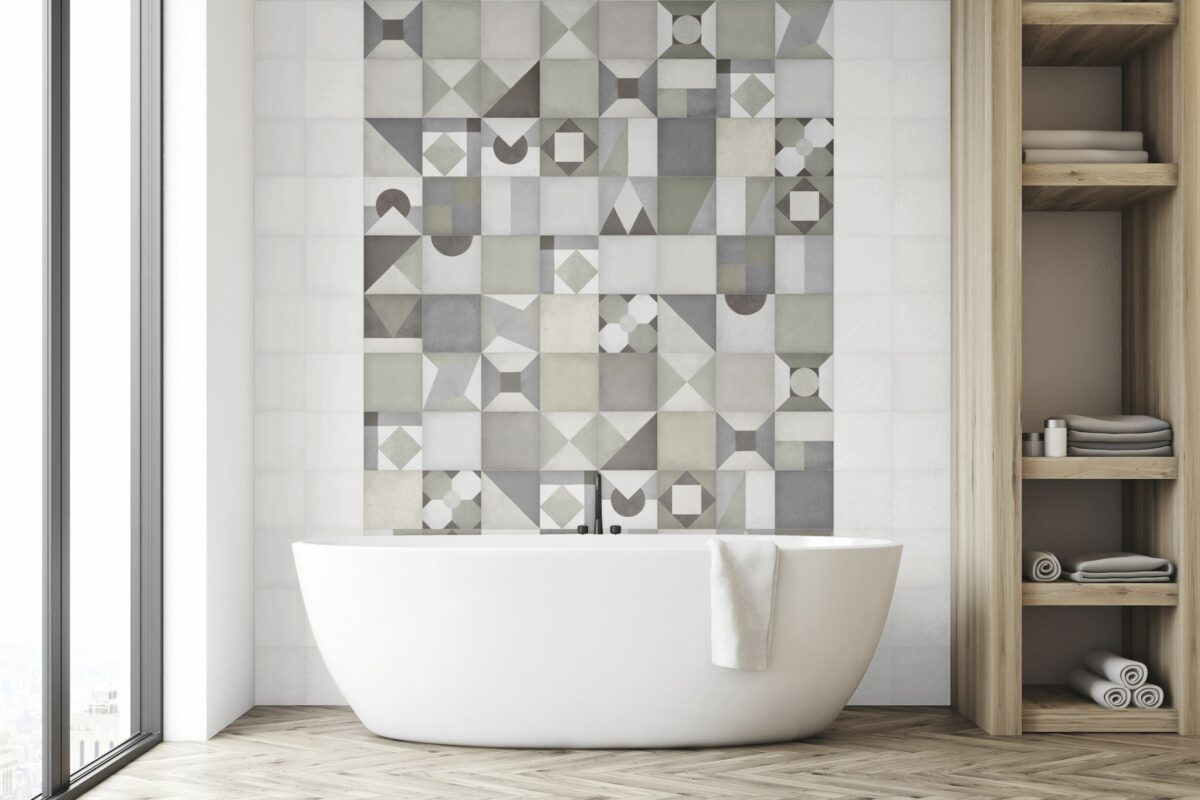
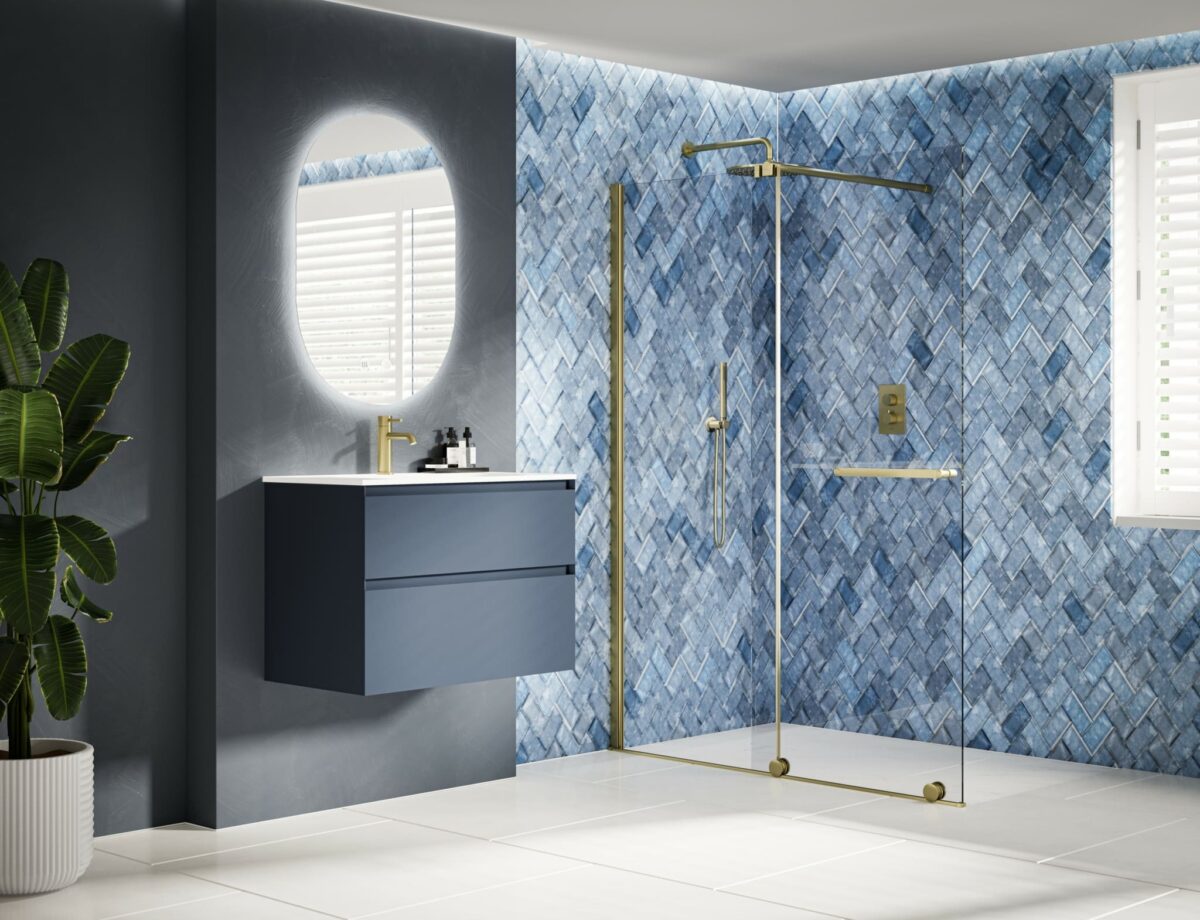
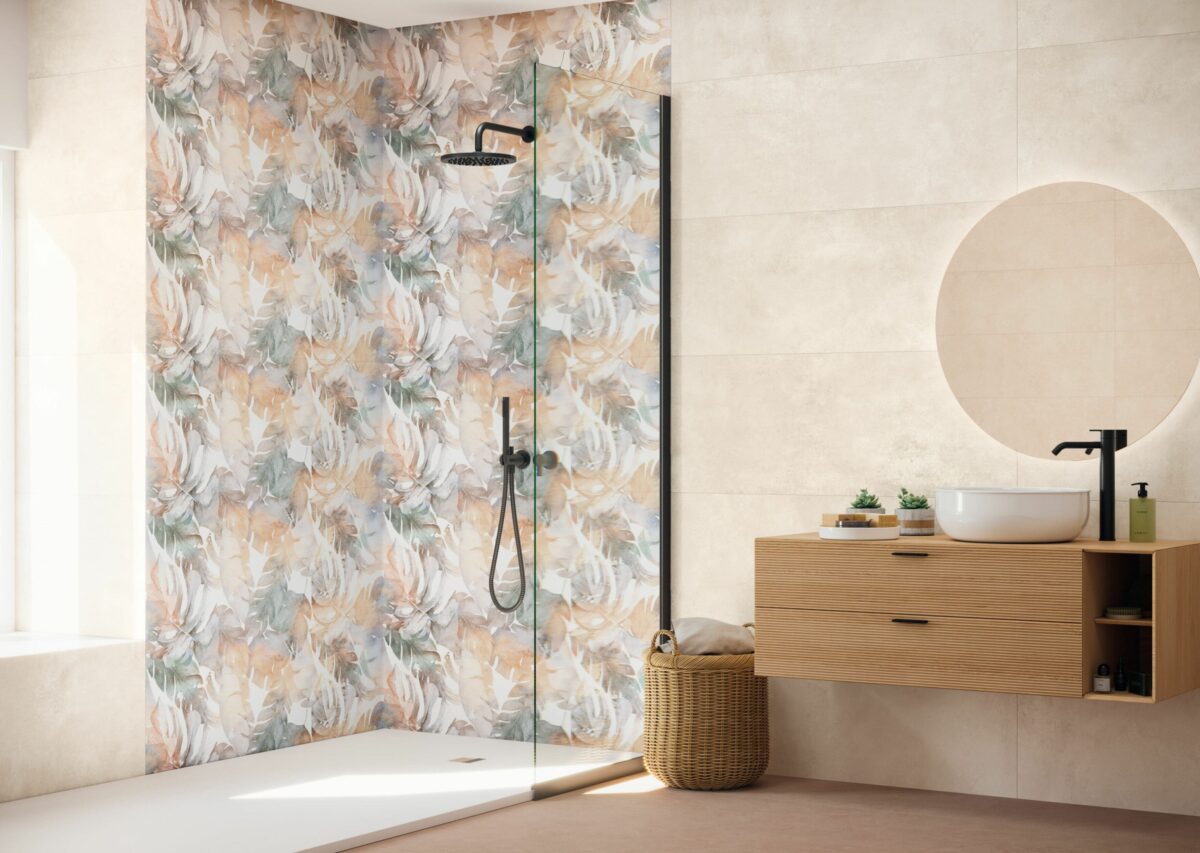
Ceramic tiles are most commonly used on walls, where they offer excellent design flexibility. Available in a wide variety of colours, shapes and finishes, ceramic tiles are ideal for adding personality and decorative detail to bathroom walls, splashbacks and feature areas.
While ceramic tiles are still water-resistant, they are best suited to low-traffic areas and wall applications rather than bathroom floors or wet zones.
Porcelain Vs Ceramic: Which Is Right For Your Bathroom
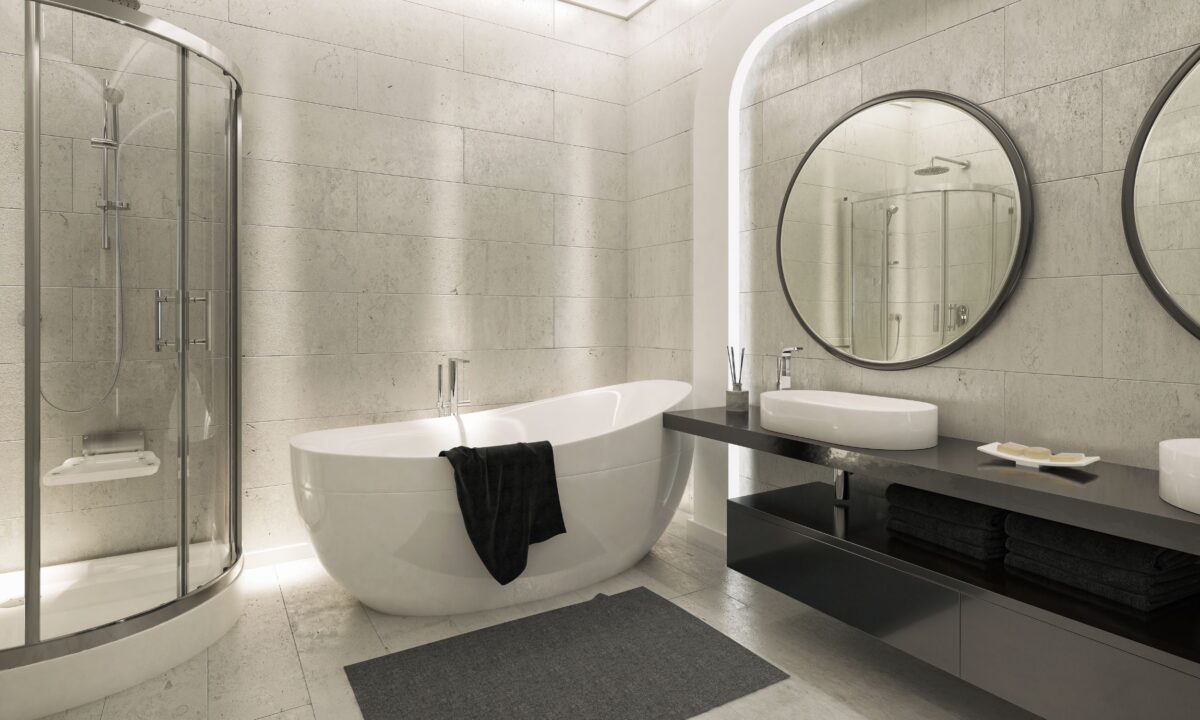
When choosing between porcelain and ceramic tiles, consider how and where the tiles will be used. Porcelain tiles are typically the best option for bathroom floors, shower areas and spaces exposed to frequent moisture, thanks to their durability and low water absorption.
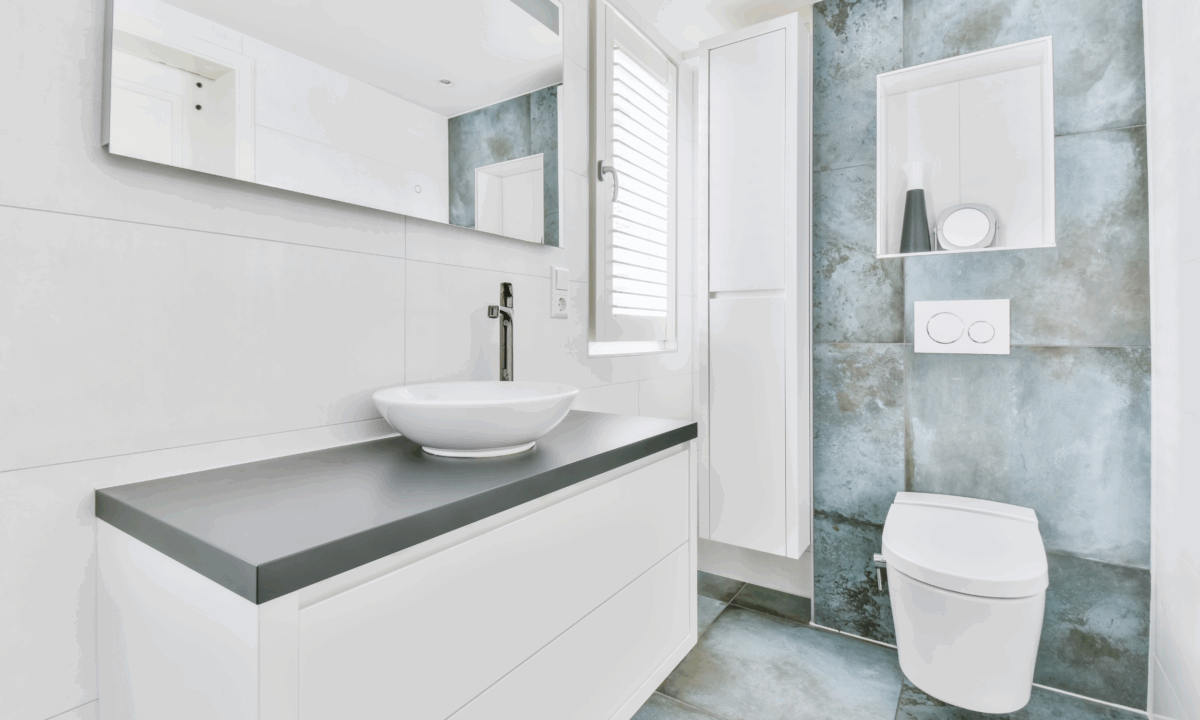
Ceramic tiles are well-suited to bathroom walls, where weight, ease of installation and decorative finishes are often more important than extreme durability. Many bathrooms successfully combine both, using porcelain on floors and ceramic tiles on walls for a balanced, practical design.
Your choice may also be influenced by budget, tile size and the overall look you’re aiming to achieve.
Style, Finish & Maintenance
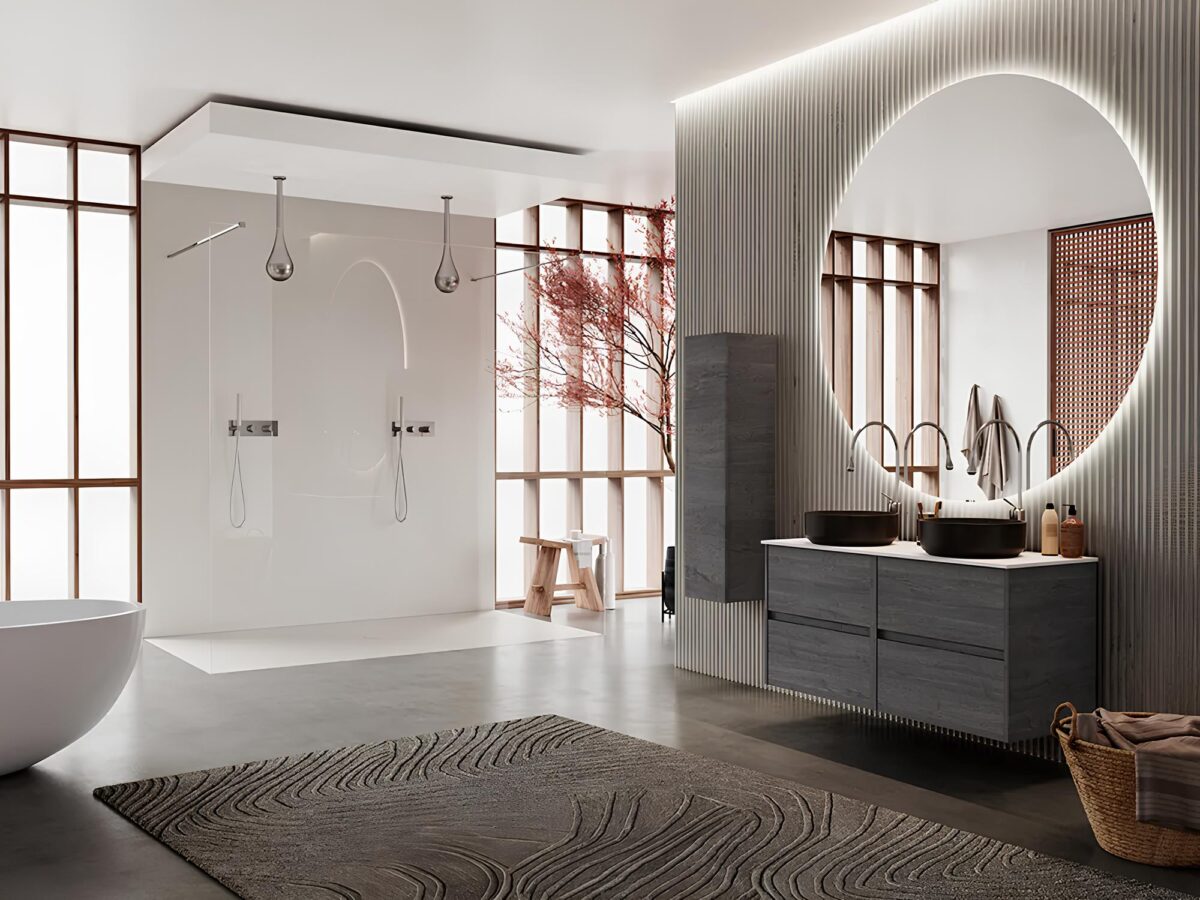
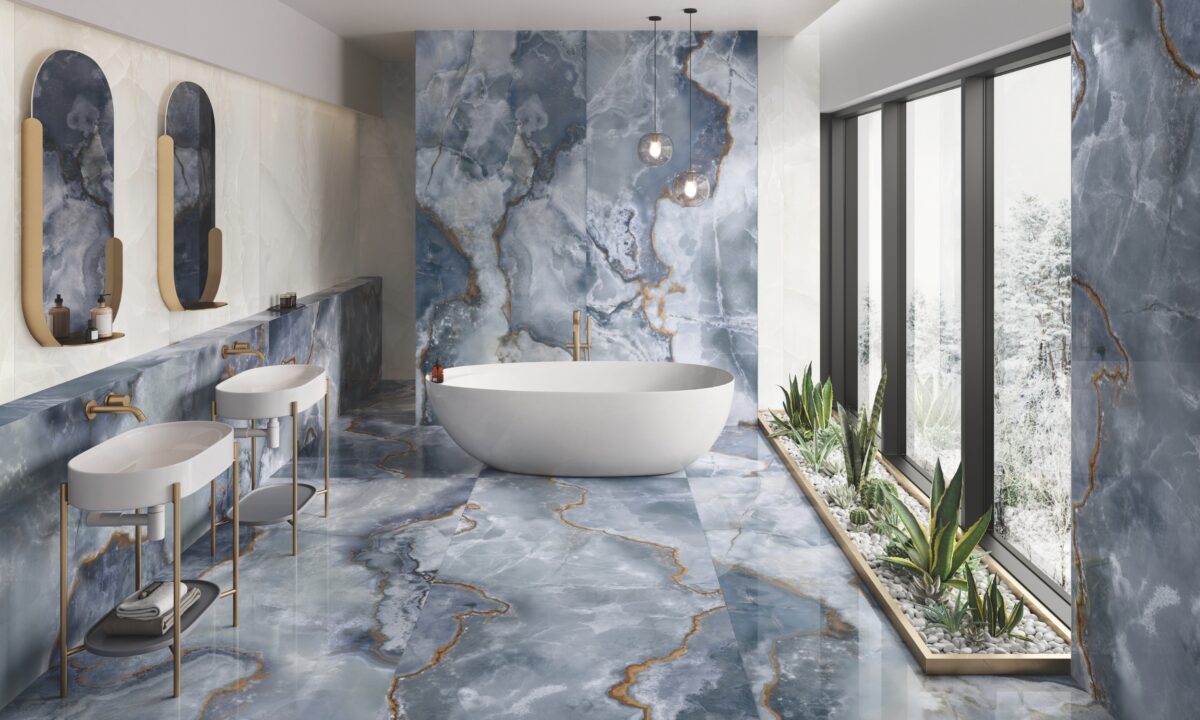
Both porcelain and ceramic tiles offer excellent design options. Porcelain tiles often feature subtle textures and realistic natural effects, making them ideal for modern and luxury bathrooms. Ceramic tiles, on the other hand, excel in gloss finishes, patterned designs and decorative details.
In terms of maintenance, both tile types are easy to clean, but porcelain tiles require less ongoing care due to their density and resistance to staining. This makes them particularly appealing for busy households or high-use bathrooms.
Visit Tile & Bathroom Gallery
If you’re deciding between porcelain and ceramic tiles, visit Tile & Bathroom Gallery in Preston to explore both options in person. Seeing and feeling the differences up close makes it easier to understand which tiles will work best in your bathroom.
Our knowledgeable team is always happy to offer expert advice, helping you choose tiles that combine style, performance and long-lasting quality.